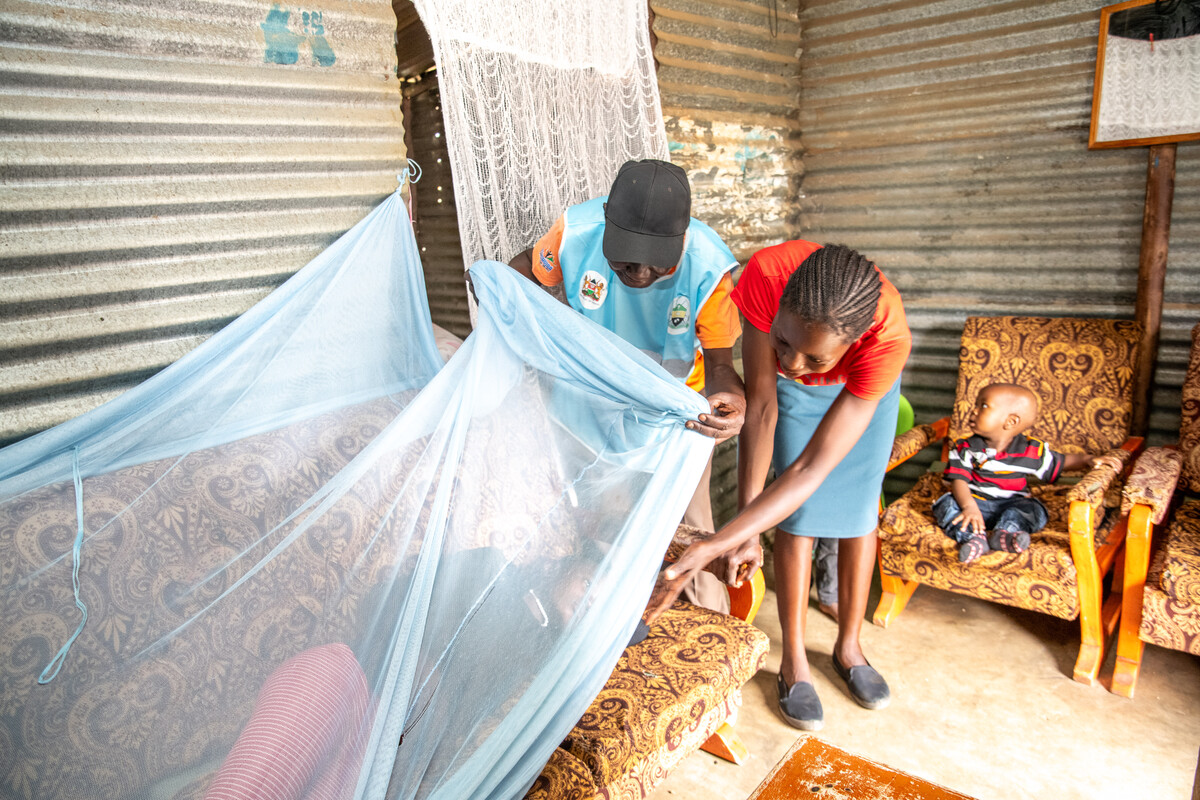
The 2026/2027 mass mosquito net distribution campaign across 18 malaria-endemic counties has kicked off. The Ministry of Health says it will distribute 10.8 million insecticide-treated mosquito nets in 99 sub-counties under the Kenya Malaria Strategy, in a move aimed at protecting families, reducing malaria infections and accelerating the country’s progress towards malaria elimination. A key feature of this year’s campaign is the deployment of the DigiMO, a digital platform to strengthen household verification, beneficiary identification, distribution tracking and real-time monitoring. To address insecticide resistance, the campaign will also introduce next-generation dual active ingredient insecticide-treated nets (dual-AI ITNs) in areas where mosquitoes have developed resistance to conventional insecticides, enhancing the effectiveness of malaria prevention. Public Health and Professional Standards Principal Secretary Mary Muthoni says the campaign reinforces the Government’s preventive and promotive healthcare agenda under Universal Health Coverage (UHC), bringing essential health interventions closer to households and communities. “As the country intensifies its efforts towards malaria elimination, communities are urged to participate in the exercise, collect their allocated nets and sleep under them every night throughout the year,” she said. She noted that the fight against the killer disease requires collective responsibility, sustained investment and strong partnerships. “Together, we can protect households, save lives and accelerate Kenya’s journey towards a malaria-free future.” The campaign comes against the backdrop of gains made under the Kenya Malaria Strategy 2023–2027, with the country recording a 34 per cent decline in confirmed malaria cases, from 5.54 million in 2023 to 3.64 million in the latest reported year. Despite the progress, malaria remains a significant public health challenge in Kenya, affecting millions of people annually, particularly in regions with sustained transmission. Malaria incidence among children under five has also declined from 194 to 119 cases per 1,000 population, while testing now reaches nearly 90 per cent of suspected malaria cases. “These gains reflect sustained investments in prevention, testing, treatment, surveillance and community-based healthcare interventions,” she said. Muthoni added that the allocation of mosquito nets is guided by population needs, malaria transmission patterns and insecticide resistance profiles to ensure communities receive nets suited to their prevailing malaria risks. The post MoH launches distribution of 10.8m treated mosquito nets in 18 counties appeared first on KBC Digital .
Read also Police, NTSA intensify countrywide road safety crackdown