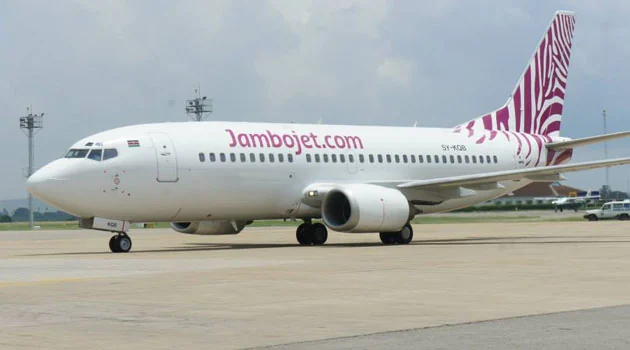
NAIROBI, Kenya, Nov 19 – Jambojet has introduced single-engine taxiing, gradual aircraft descent and data-driven fuel planning to reduce fuel consumption across its flight operations, as airlines seek to contain operating costs and lower their carbon emissions. The operational changes have enabled the low-cost carrier to reduce its fuel costs by 16 per cent over the past four years, with the airline using flight-by-flight data to determine fuel requirements and identify opportunities to minimize wastage. One of the measures involves single-engine taxiing, where aircraft use one engine instead of two while moving on the ground after landing, provided operational conditions and safety procedures allow. The airline has also adopted gradual descent approaches, allowing pilots to reduce engine power earlier as aircraft approach their destinations, limiting fuel consumption during the descent. Jambojet Managing Director and Chief Executive Officer Karanja Ndegwa said the operational adjustments had delivered measurable savings while supporting the airline’s environmental objectives. “Over the last four years, we have saved about 16 per cent of our fuel costs by having these initiatives in place,” Ndegwa said. The airline has further integrated data analytics into its fuel planning, with its operations team examining individual flight performance, including planned versus actual fuel consumption, aircraft speed, temperature and route variables. The information is used to establish more accurate fuel requirements for subsequent flights, reducing the likelihood of carrying more fuel than operationally necessary. Jambojet Network Analyst Felix Ogutu said continuous monitoring of flight data allows the airline to refine its fuel estimates and improve operational planning. “With all these insights gathered, we monitor and track each and every flight, and we are able to average out the amount of fuel that is required within the aircraft, and then optimally plan better,” Ogutu said. Final fuel decisions, however, remain subject to operational requirements and the captain’s judgement, with safety taking precedence over fuel-saving considerations. The measures also have environmental implications, as reducing fuel burn directly lowers carbon dioxide emissions associated with aircraft operations.
Read also Morocco commits $3 million to train 300 African aviation inspectors as Africa’s richest king pushes to make the country a continental aviation hub