KenyaWire
Mbadi, AG Oduor found guilty of contempt, to be sentenced next week
Court finds Treasury CS Mbadi and AG Oduor guilty of contempt for failing to disclose Kenyas sovereign bond agreements.
Nairobi, Kenya
Washing a puffer jacket properly helps remove dirt, sweat, stains, and unpleasant smells while maintaining its warmth, softness, and original shape. If you want to learn how to wash a puffer jacket at home, you need to use the correct dete…
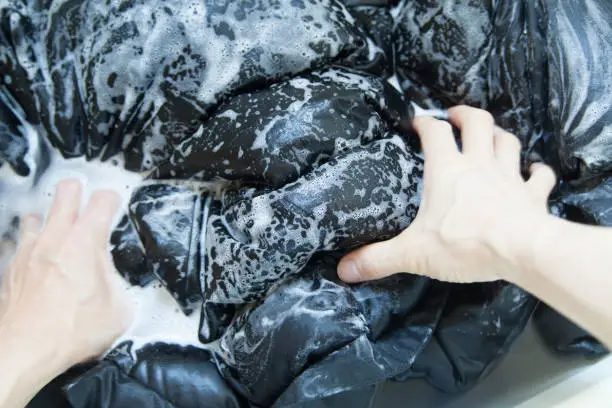
Washing a puffer jacket properly helps remove dirt, sweat, stains, and unpleasant smells while maintaining its warmth, softness, and original shape. If you want to learn how to wash a puffer jacket at home, you need to use the correct detergent, washing machine settings, and drying method. Whether your jacket is filled with down feathers or synthetic insulation, proper cleaning is essential to prevent damage and keep it looking good for longer. Check the Jacket’s Care Label Before washing your puffer jacket, check the manufacturer’s care label. The instructions will tell you whether the jacket is machine washable, hand washable, or requires professional cleaning. Most puffer jackets made with polyester or nylon outer fabrics can be machine washed, provided the care label allows it. Check whether your jacket contains: Natural down feathers. Synthetic insulation. A waterproof or water-resistant outer coating. Delicate trims or detachable accessories. Different materials may require different washing and drying methods. Prepare the Puffer Jacket Before putting your jacket in the washing machine, prepare it properly. Follow these instructions: Empty all pockets. Remove detachable fur, hoods, or accessories where possible. Close all zippers and fasten buttons. Secure Velcro straps. Turn the jacket inside out. Check the jacket for visible stains, especially around the collar, cuffs, and pockets. Treat these areas with a suitable stain remover according to its instructions. Choose the Right Detergent Use a mild liquid detergent suitable for the jacket’s filling and outer fabric. If your jacket contains down feathers, consider using a detergent specifically designed for down garments. This helps clean the feathers without unnecessarily affecting their natural oils. For synthetic puffer jackets, use a mild liquid laundry detergent suitable for synthetic fabrics. Avoid using: Chlorine bleach. Harsh cleaning chemicals. Excessive detergent. Fabric softeners, particularly on down-filled jackets. Fabric softeners can affect the performance of certain technical fabrics and insulation materials. Put the Jacket in the Washing Machine Place the jacket inside the washing machine without overcrowding it. A front-loading washing machine is often preferable because it generally provides a gentler washing action. If you have a top-loading machine with a central agitator, check the manufacturer’s instructions before washing the jacket. Wash the jacket alone or with other lightweight garments of similar colours. Ensure there is enough space for water and detergent to circulate properly. Select the Correct Washing Machine Settings Choose a gentle washing cycle to protect the jacket’s outer material and insulation. Recommended settings for many machine-washable puffer jackets include: Water temperature: Cold water or 30°C, if permitted by the care label. Washing cycle: Delicate or gentle. Spin speed: Low or moderate. Detergent: Mild liquid detergent. Avoid hot water and aggressive washing cycles because they may damage the fabric, weaken seams, or affect the insulation. If detergent residue remains, an additional rinse cycle may help remove it. Remove the Jacket and Check Its Condition Once the washing cycle is complete, remove the jacket carefully. The filling may look flattened or uneven when wet. This is normal, especially with down jackets. Gently redistribute any obvious clumps without pulling or stretching the fabric. Avoid twisting or wringing the jacket to remove excess water because this can damage its filling and stitching. Dry the Puffer Jacket Properly Drying is one of the most important parts of washing a puffer jacket. If the insulation remains wet, it may develop unpleasant smells, clumps, or mould. Check the care label to determine the recommended drying method. If tumble drying is permitted: Use a low-heat or no-heat setting as recommended. Add clean dryer balls to help separate clumps of insulation. Stop periodically to check the jacket and redistribute the filling. Continue until the insulation is completely dry. If tumble drying is not permitted, lay the jacket flat on a clean drying rack in a well-ventilated area. Turn it regularly and gently redistribute the filling as it dries. Avoid direct high heat, radiators, and excessive sunlight. Restore the Jacket’s Original Shape After the jacket has dried completely, gently shake it to help redistribute the filling. Check the individual sections to ensure there are no remaining clumps or damp areas. If the insulation is still uneven, gently massage the affected sections to separate the filling. Once everything is dry and evenly distributed, hang the jacket on a suitable hanger or store it in a breathable space. Store Your Puffer Jacket Properly Proper storage helps maintain your jacket’s warmth and appearance. Ensure the jacket is completely dry before storing it. Use a spacious wardrobe. Avoid compressing it for long periods. Keep it away from moisture. Avoid storing it in tightly sealed plastic bags for extended periods. For down-filled jackets, loose storage helps preserve the loft and insulating properties of the feathers. Also Read : How to Install iPerf3 on Windows The post How to Wash a Puffer Jacket appeared first on Kahawatungu .
Read also Mbadi, AG Oduor found guilty of contempt, to be sentenced next week
This report was written and published by Kahawa Tungu, not by the Digital Kenya Business News newsroom. It is republished here in full with credit to the publisher, and the headline remains the copyright of Kahawa Tungu. Read our attribution policy. Photographs are the publisher's and are credited above. Last updated 19 November 2026.
Court finds Treasury CS Mbadi and AG Oduor guilty of contempt for failing to disclose Kenyas sovereign bond agreements.
Washing a suit in a washing machine can be a convenient way to clean certain types of suits at home, but it requires extra care to prevent shrinking, wrinkles, colour fading, and damage to the fabric. If you want to learn how to wash a sui…
The Kenya Meteorological Department has listed 37 counties expected to receive rainfall over the next seven days, warning of possible flooding in susceptible areas. In its weekly weather advisory covering November 17 to 23, issued on Monda…