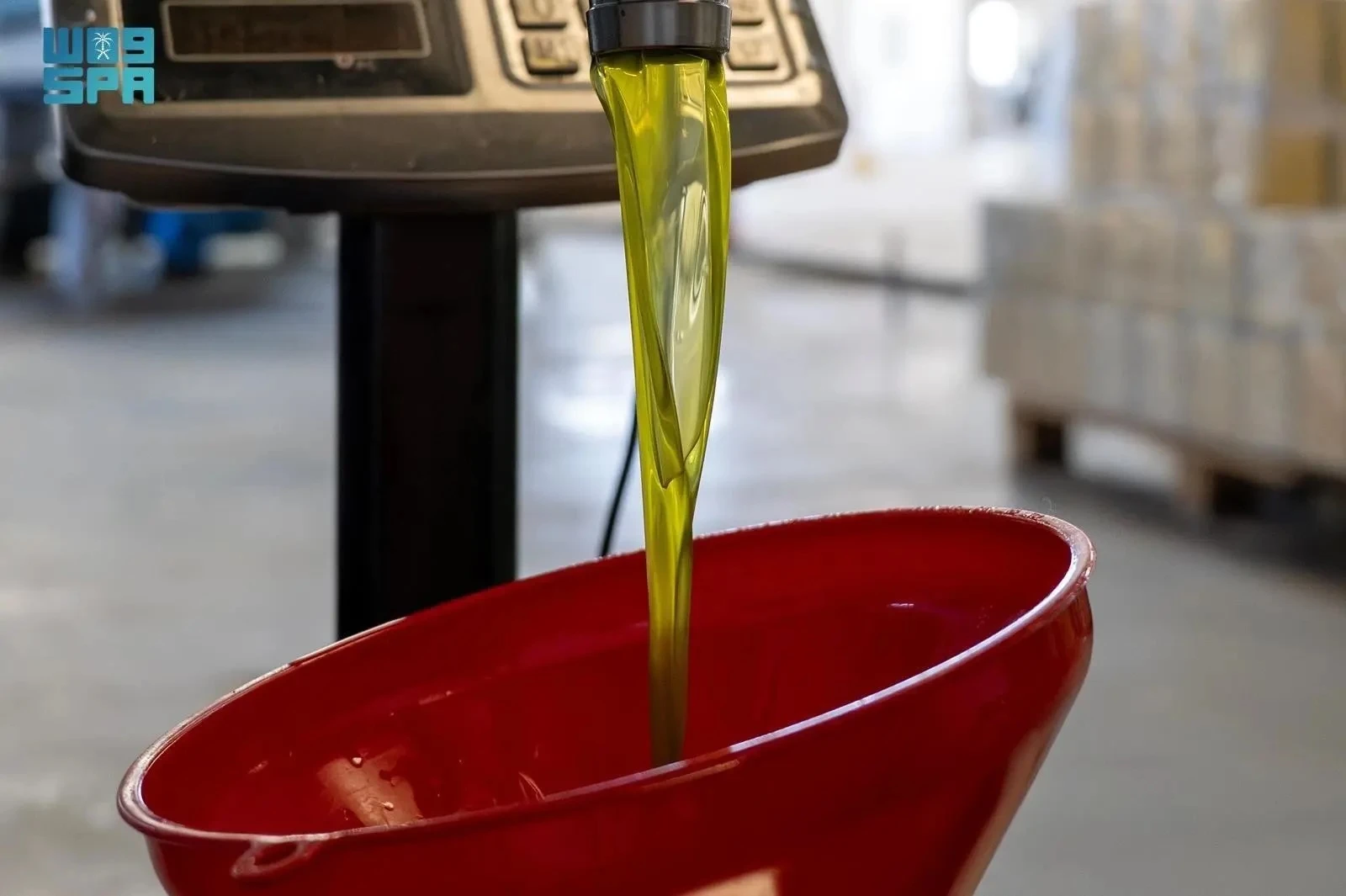
Tunisia earned a record $1.71 billion from olive oil exports during the 2025–2026 season, with strong demand from the United States, Saudi Arabia, Canada and European markets providing a much-needed boost to the North African economy. Tunisia achieved record olive oil export earnings of $1.71 billion during the 2025–2026 season, driven by strong demand from the US, Saudi Arabia, Canada, and European markets. A bumper harvest made Tunisia the world’s second-largest olive oil producer, strengthening its role in the Mediterranean-dominated global market. Spain, the US, and Italy bought over 70% of Tunisia’s olive oil, with Saudi Arabia and Canada also ranking among key importers. Most olive oil is exported in bulk, limiting value capture for Tunisia, but there are ongoing efforts to boost bottled exports and promote Tunisian brands worldwide. The performance follows a bumper harvest that made Tunisia the world's second-largest olive oil producer after Spain, strengthening its position in a global industry dominated by Mediterranean countries. For an economy struggling with high public debt, slow growth and limited access to international financing, the export earnings provide a valuable source of foreign currency. According to figures released by the National Observatory of Agriculture (ONAGRI), olive oil export revenues rose 39% to 5.2 billion Tunisian dinars ($1.71 billion), while shipments increased by 47.5% to 413,100 metric tonnes. The growth was supported by a record harvest of around 500,000 tonnes, allowing Tunisia to increase supplies to its established markets and attract buyers across other regions. Spain, US and Saudi Arabia among Tunisia's major olive oil buyers Spain, the United States and Italy dominated Tunisia's olive oil exports during the season, accounting for more than 70% of shipments, with Spain purchasing 30.2%, followed by the US at 20.3% and Italy at 19.7%. Beyond these major markets, Saudi Arabia ranked as Tunisia's leading Arab buyer among its top export destinations, importing 23,100 tonnes, while Canada purchased 22,700 tonnes. Egypt and Jordan were also key markets, bringing the combined share of these seven countries to 87% of Tunisia's export volumes. Although demand remains concentrated in a small group of major economies, Tunisian olive oil reached 85 countries during the first 11 months of the season, extending the country's presence across Europe, North America , the Middle East and Africa. The international demand has helped Tunisia secure record export earnings at a time when the government is seeking to strengthen its external finances and encourage economic growth. What the export boom means for Tunisia's economy Tunisia's olive oil windfall comes as the country attempts to revive an economy facing persistent financial pressures. According to the International Monetary Fund's October 2026 World Economic Outlook, Tunisia ranks as Africa's 16th-largest economy by nominal GDP, with output projected at $62.74 billion. The IMF forecasts economic growth of 2.1% this year, while the World Bank has warned that high public debt and limited access to international financing continue to weigh on the country's recovery. Against this backdrop, olive oil exports provide an important source of foreign currency, bringing income to agricultural businesses and supporting Tunisia's trade earnings. However, the country still faces challenges in capturing more value from its production, as most olive oil is exported in bulk rather than packaged under Tunisian brands. According to ONAGRI, bulk shipments accounted for more than 84% of total exports during the season, leaving a much smaller share for bottled and packaged products. Foreign buyers, particularly in Europe, purchase large quantities of Tunisian olive oil for packaging and distribution in international markets, allowing overseas businesses to capture additional value from the product. To address this, Tunisia has sought to expand bottled olive oil exports, strengthen domestic processing and promote Tunisian brands in international markets.
Read also Oparanya pushes Kisii, Nyamira cooperatives to embrace climate financing to cut production costs